
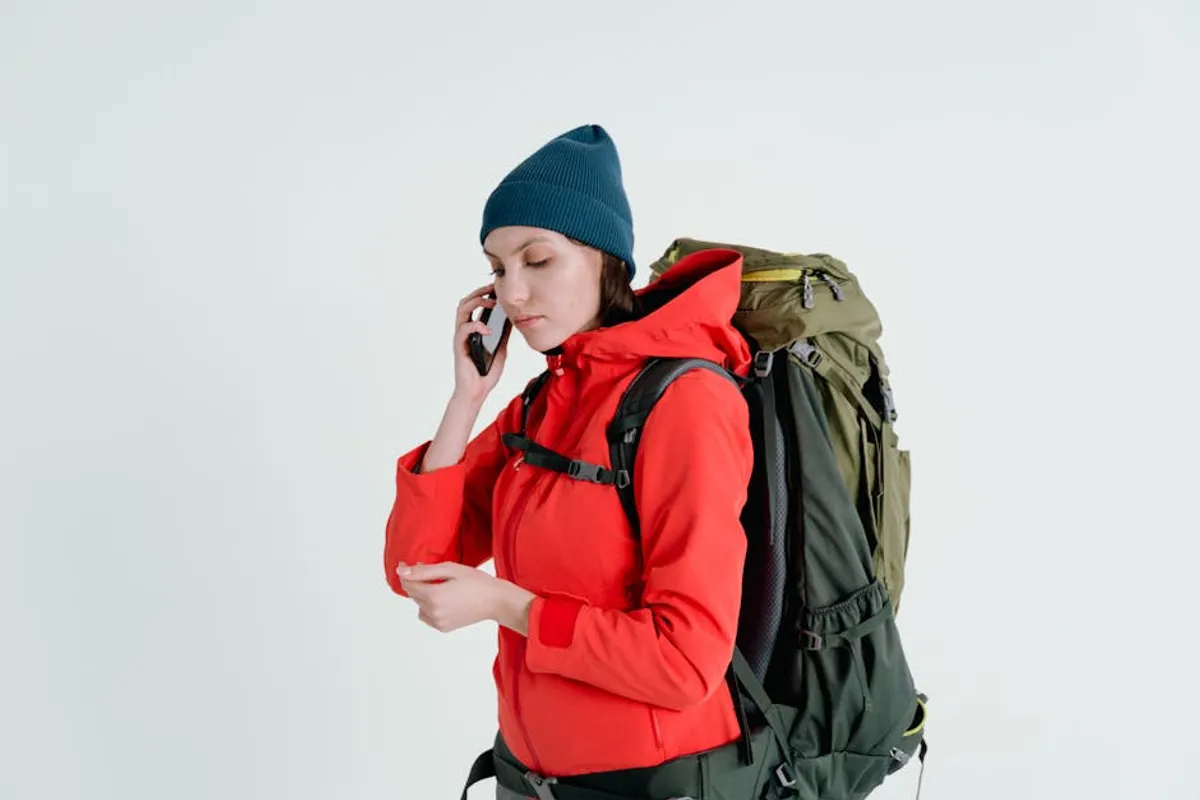
Gobackpacking functions as a content hub for independent travelers, particularly those focused on budget-conscious and immersive experiences. Analyzing its search presence provides insight into the informational and commercial needs of the backpacking community, revealing trends in destination planning, gear selection, and travel logistics. The domain's organic visibility is shaped by its ability to address specific, often long-tail, queries related to navigating unfamiliar territories, managing costs, and making informed choices about travel safety and equipment.
What Gobackpacking Appears to Cover
Gobackpacking's content strategy centers on providing practical, experience-driven advice for backpackers. The site publishes extensive destination guides, often broken down by region or country, detailing typical costs, recommended itineraries, transportation options, and cultural considerations. Key content categories include budget travel strategies, packing lists tailored for different climates and trip durations, and reviews or comparisons of essential backpacking gear such as backpacks, tents, and travel accessories. The site also covers broader travel topics like visa requirements, travel insurance, solo travel tips, and advice on managing finances while abroad. A recurring theme across its content is empowering travelers to make informed decisions, which extends to discussions around personal safety, identifying reputable services, and understanding local customs to mitigate risks. This includes articles that implicitly or explicitly explore 'safer alternative' destinations or methods of travel compared to common, potentially higher-risk options, by focusing on preparation and awareness.
Specific article types frequently found on Gobackpacking include "How-to" guides (e.g., "How to Plan a Multi-Month Backpacking Trip"), "Best of" lists (e.g., "Best Hostels in Southeast Asia," "Top Travel Backpacks for Women"), and detailed "Cost of Travel" breakdowns for popular destinations. The site also features itinerary suggestions (e.g., "Two Weeks in Thailand: The Ultimate Itinerary") and practical advice pieces addressing common concerns, such as "What to Do if You Lose Your Passport Abroad" or "Staying Healthy While Backpacking." These articles collectively form topic clusters around major backpacking regions (e.g., "Backpacking Europe," "Southeast Asia Travel"), specific travel challenges (e.g., "Budget Travel Hacks," "Solo Female Travel Safety"), and essential gear, positioning Gobackpacking as a comprehensive resource for its target audience.
Where Its Search Traffic May Come From
Gobackpacking's organic search traffic is likely driven by a combination of informational and commercial investigation queries. Informational searches often involve long-tail keywords such as "how much does it cost to backpack vietnam for a month," "best time to visit patagonia backpacking," or "do i need a visa for thailand from usa." These queries indicate users seeking specific answers to planning questions. Commercial investigation queries might include "osprey farpoint 40 review," "best travel insurance for long term travel," or "lightweight backpacking tent comparison," where users are researching products or services before making a purchase decision. The site's visibility for these terms suggests a strong editorial focus on detailed, practical content that directly answers user questions and aids in their decision-making process. Traffic patterns would typically exhibit seasonality, with peaks corresponding to popular travel planning periods or specific destination travel seasons, such as summer for Europe or winter for Southeast Asia.
Search Intent Behind Gobackpacking
The content published by Gobackpacking primarily serves informational and commercial investigation search intents. Users arriving on the site are typically in the research phase of their travel planning. Informational intent is addressed through comprehensive guides on destinations, cultural norms, visa processes, and general travel advice. For example, an article titled "Cultural Etiquette in Japan for Backpackers" directly satisfies a user's need for knowledge before traveling. Commercial investigation intent is met by content that evaluates or compares travel products and services, such as "Best Anti-Theft Backpacks" or "Travel Insurance Comparison for Digital Nomads." While Gobackpacking itself does not directly sell travel services, its content often influences purchasing decisions for flights, accommodation, gear, and insurance through detailed recommendations and reviews. The site also caters to some navigational intent, where users specifically search for "Gobackpacking [destination name]" or "Gobackpacking [topic]" to find content they know or expect to be on the domain.
Why Traffic May Rise or Fall
Gobackpacking's organic search traffic can fluctuate based on several factors. Traffic may rise when new, highly relevant destination guides are published, or existing content is updated with current information on costs, visa regulations, or local conditions. Consistent production of high-quality, in-depth articles that fill existing content gaps, particularly for emerging backpacking destinations or niche travel styles, can also contribute to growth. Positive shifts in search engine algorithms that favor authoritative, user-focused travel content would also benefit the site. Conversely, traffic may fall if content becomes outdated, especially in a dynamic sector like travel where prices, regulations, and recommendations change frequently. Increased competition from other travel content sites, a decline in demand for backpacking travel to specific regions, or algorithm updates that negatively impact sites with less fresh or less comprehensive content could also lead to a decrease in organic visibility. A lack of ongoing content updates or a failure to address evolving traveler needs could also contribute to a decline.
How the Site Could Improve Organic Visibility
To enhance its organic visibility, Gobackpacking could focus on several strategic areas. Addressing identified content gaps by expanding coverage into less-explored but relevant backpacking regions or niche travel experiences (e.g., sustainable backpacking, culinary travel) could capture new long-tail keyword opportunities. Deepening existing articles with more granular detail, such as hyper-local recommendations, detailed budget breakdowns by activity, or specific transport routes with pricing, would improve content authority and user value. Implementing structured data markup for itineraries, reviews, and FAQs could help the site qualify for rich snippets, improving click-through rates from search results. A consistent editorial cadence for both new content publication and systematic updates to evergreen articles is crucial to maintain relevance and demonstrate E-E-A-T (Experience, Expertise, Authoritativeness, Trustworthiness). This includes ensuring author bios highlight travel experience and expertise, and that factual information (like visa requirements) is sourced or cross-referenced with official channels. Enhancing internal linking to create stronger topic clusters and improve crawlability would also consolidate authority across related content pieces.
What to Check Before Trusting Traffic Estimates
When evaluating third-party traffic estimates for Gobackpacking or any content site, it is critical to understand their inherent limitations. Such tools rely on statistical models and sampled data, which can provide directional trends but rarely reflect exact figures. Factors like seasonality, brand recognition, and the recency of content updates can significantly influence actual traffic that external tools may not fully capture. Therefore, these estimates should be treated as indicators of relative performance or market share, rather than definitive metrics. The most accurate traffic data can only be obtained directly from the site's own analytics platforms, such as Google Analytics, which track actual user visits and behavior.
FAQ
What kind of travel content does Gobackpacking primarily offer?
Gobackpacking primarily offers comprehensive guides on budget travel, destination-specific itineraries, packing essentials, gear reviews, and practical advice for independent backpackers.
What type of searchers does Gobackpacking attract?
The site attracts searchers with informational intent, seeking knowledge for travel planning, and those with commercial investigation intent, researching products and services related to backpacking.
How does Gobackpacking maintain content relevance?
Gobackpacking maintains relevance by publishing new, in-depth articles on popular and emerging destinations, and by regularly updating existing content to reflect current travel costs, regulations, and recommendations.
What are key content areas for Gobackpacking's search performance?
Key content areas driving Gobackpacking's search performance include detailed destination guides, budget planning articles, gear reviews, and practical advice on travel logistics and safety.



