
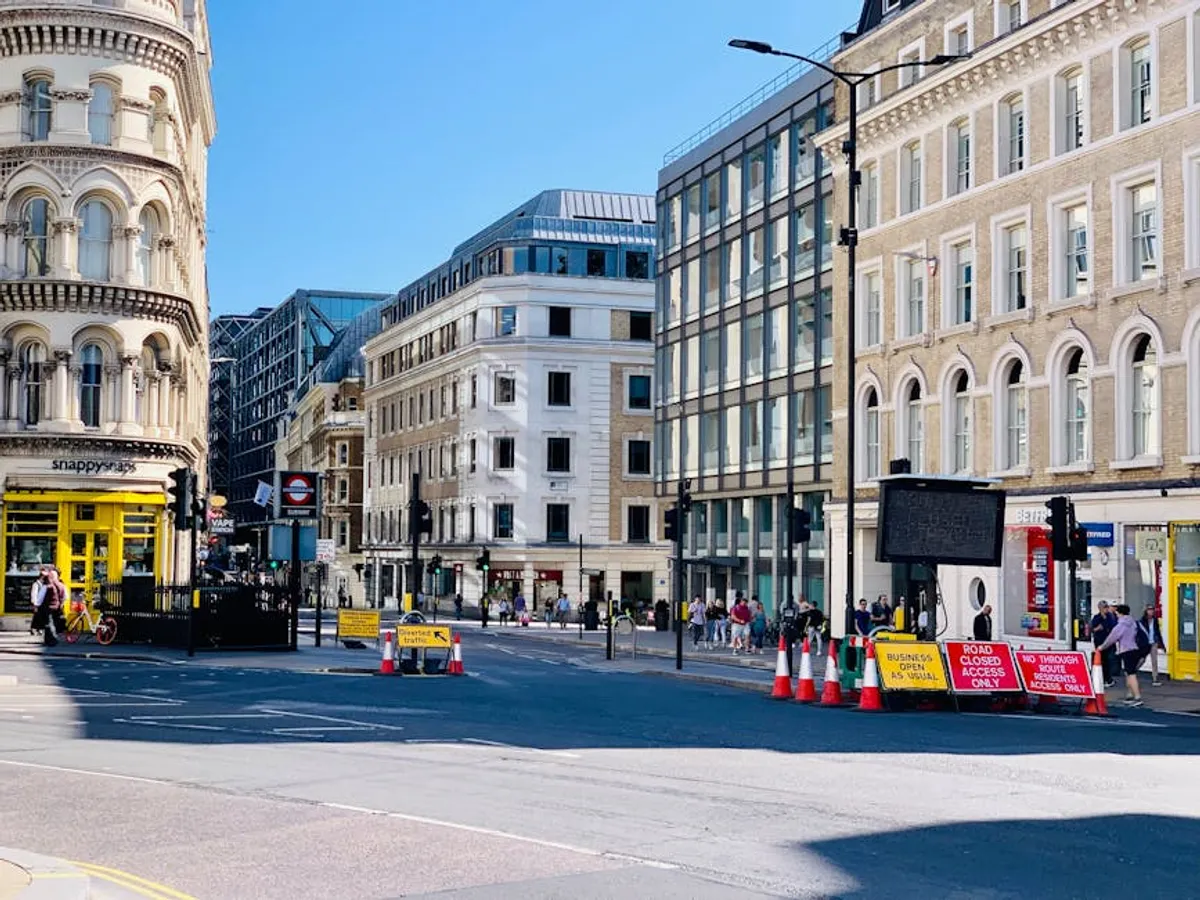
Mayfair London represents a high-value search entity, drawing queries from diverse audiences interested in luxury, culture, and prime real estate. Understanding the search landscape around this iconic district is crucial for publishers, businesses, and content creators aiming to capture qualified organic traffic. The sheer volume and commercial intent behind many Mayfair-related searches indicate significant opportunities for content that precisely addresses user needs, from high-end transactional queries to detailed informational explorations.
What Mayfair London Appears to Cover in Search
Content related to Mayfair London typically clusters around themes of exclusivity, luxury, and heritage. Core topics include high-end retail, featuring specific boutiques on Bond Street, Savile Row, and Mount Street. Dining experiences, from Michelin-starred restaurants to exclusive members' clubs, generate considerable search interest. The art and culture scene, encompassing prestigious galleries like the Royal Academy of Arts and various independent spaces, also forms a significant content category. Beyond leisure, Mayfair's status as a prime residential and commercial property market drives searches for luxury apartments, investment opportunities, and office spaces. Content also frequently explores the area's historical significance, architectural styles, and prominent residents or events, positioning Mayfair as a subject for both aspirational and practical queries.
Where Its Search Traffic May Come From
Search traffic for Mayfair London content originates from a blend of navigational, informational, commercial investigation, and transactional queries. Navigational searches often involve specific establishments or landmarks within the district, such as "Claridge's hotel" or "Burlington Arcade opening hours." Informational traffic stems from users seeking to understand the area's history, local attractions ("things to do in Mayfair"), or general lifestyle ("Mayfair etiquette"). Commercial investigation queries are driven by users researching high-value purchases or services, like "luxury hotels Mayfair," "Mayfair art galleries for sale," or "Mayfair property prices." Transactional searches are more direct, aiming to book reservations, purchase tickets, or connect with service providers, for example, "book Mayfair restaurant" or "Mayfair personal shopper." A notable segment also includes users seeking "safer alternatives" to specific Mayfair experiences, perhaps due to cost, crowd density, or desired atmosphere, leading to comparisons with other London districts or suggestions for similar, yet distinct, luxury experiences.
Search Intent Behind the Subject
The primary search intent surrounding Mayfair London is aspirational and high-value. Users often exhibit a desire for luxury experiences, exclusive products, or premium services. This includes individuals planning high-end travel, seeking investment opportunities, or researching luxury lifestyle choices. A significant portion of intent is also tourism-driven, with visitors looking for curated itineraries, unique experiences, and practical information for navigating the district. For the "safer alternatives" aspect, search intent shifts to comparative analysis or value-seeking. Users might be looking for experiences that offer a similar level of quality or aesthetic appeal but at a different price point, with fewer crowds, or with a more family-friendly focus. This indicates an underlying need for content that provides thoughtful comparisons and practical recommendations, extending beyond the typical luxury narrative to address broader accessibility and preference considerations.
Why Traffic May Rise or Fall
Organic search traffic for Mayfair London content is subject to several external factors. Seasonal tourism patterns significantly influence search volume, with peaks during holiday periods and major cultural events like London Fashion Week or Frieze Art Fair. Economic trends impacting luxury spending, both domestically and internationally, can cause fluctuations in commercial intent queries. Major news events, high-profile property sales, or significant cultural announcements related to Mayfair can generate temporary spikes in interest. Conversely, negative publicity, changes in travel restrictions, or a general economic downturn could depress search volumes. Publisher content relevance also plays a role; outdated information or a failure to cover emerging trends and establishments can lead to a decline in visibility as search algorithms prioritize fresh, authoritative resources.
Optimizing Content for Mayfair London Search Visibility
Publishers can enhance their organic visibility for Mayfair London-related searches by developing deeply researched, authoritative content. This involves creating comprehensive guides on specific aspects, such as "The Definitive Guide to Mayfair's Art Galleries" or "Exploring Mayfair's Historic Architecture." Focusing on long-tail keywords that capture specific user intent, like "best afternoon tea Mayfair budget" or "boutique hotels near Bond Street with spa," can attract highly qualified traffic. Incorporating high-quality visual assets, such as professional photography and virtual tours, is crucial for engaging users interested in luxury experiences. Addressing the "safer alternatives" intent directly through comparative articles like "Mayfair vs. Marylebone: A Luxury Comparison" or "Affordable Luxury Experiences Around Mayfair" can capture a valuable segment of users with evolving needs. Building topical authority around Mayfair through interlinked content clusters and demonstrating expertise (E-A-T signals) will also improve search engine recognition.
What to Check Before Trusting Traffic Estimates for Mayfair London Content
When evaluating traffic estimates for content related to Mayfair London, it is critical to scrutinize the data source and methodology. Generic traffic figures for broad terms like "Mayfair" may not accurately reflect the specific intent or commercial value of long-tail queries. Verify the geographic targeting of the estimates (e.g., global, UK, London-specific) and consider the time frame, as seasonality heavily influences search volume for travel and luxury topics. Distinguish between brand-specific searches (e.g., "The Connaught hotel") and non-brand informational queries. Furthermore, ascertain whether the estimates account for the nuanced "alternative" intent, as these queries might be lower in volume but higher in conversion potential for relevant businesses. Cross-referencing data from multiple reputable sources can provide a more balanced and reliable understanding of potential organic reach.
Frequently Asked Questions About Mayfair London Search Presence
What types of businesses benefit most from Mayfair London search interest?
Luxury retail brands, high-end hospitality (hotels, restaurants, bars), art galleries, antique dealers, bespoke service providers (e.g., tailors, jewelers), and premium real estate agencies are primary beneficiaries. Additionally, businesses offering experiences or services that cater to an affluent demographic, such as private clubs, wealth management firms, and concierge services, also gain significant visibility.
How does search intent for "Mayfair London" differ from other London districts?
Search intent for Mayfair London typically skews towards luxury, exclusivity, and high-value transactions. Users are often seeking premium experiences, investment opportunities, or aspirational lifestyle content. In contrast, other districts might attract more general tourist inquiries, budget-conscious searches, or queries focused on specific cultural niches like Camden's music scene or Shoreditch's tech and nightlife.
What are common content gaps related to Mayfair London?
Common content gaps include in-depth historical narratives beyond general overviews, practical guides for navigating Mayfair on a specific budget (addressing "safer alternatives"), detailed comparisons of niche luxury services, and content that highlights lesser-known cultural or architectural gems. There's also a need for more localized, event-specific content that is regularly updated.
How can content address the "safer alternatives" aspect mentioned in the title?
Content can address "safer alternatives" by creating comparative guides that contrast Mayfair experiences with those in other luxury London areas (e.g., Knightsbridge, Belgravia) on factors like price, crowd levels, or atmosphere. It can also suggest specific, more accessible experiences within or near Mayfair that offer similar benefits without the typical Mayfair premium, such as curated walking tours or specific dining options with varied price points.



