
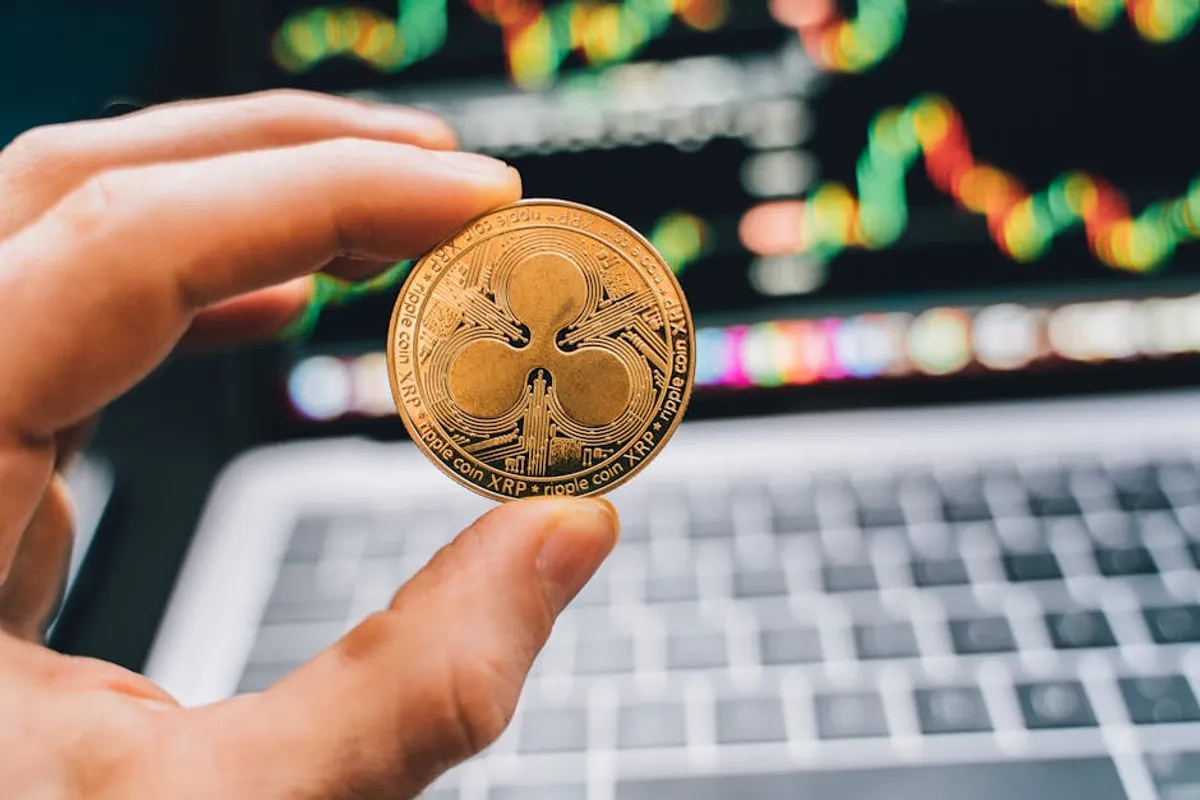
XRP, the digital asset designed for fast, low-cost global payments, maintains a unique position within the cryptocurrency landscape. Its valuation and future trajectory are subject to a distinct set of influences, ranging from regulatory pronouncements to adoption rates by financial institutions. For those considering engagement with XRP, understanding its fundamental utility, historical price behavior, inherent risks, and the specific market signals that drive its movements is crucial for informed decision-making.
Understanding XRP's Core Functionality
XRP functions as a bridge currency on the XRP Ledger (XRPL), a decentralized, open-source blockchain technology. Unlike many cryptocurrencies focused on decentralized finance (DeFi) or smart contracts, XRP's primary design objective is to facilitate efficient, real-time cross-border payments and provide liquidity for financial institutions. The XRPL's consensus mechanism allows for transaction finality in seconds, a significant advantage over traditional banking rails and even some other blockchain networks.
Key Utility:
- On-Demand Liquidity (ODL): Ripple, the company closely associated with XRP, leverages the asset for its ODL service, enabling financial institutions to send money across borders without pre-funding destination accounts.
- Low Transaction Costs: Transactions on the XRPL are inexpensive, typically fractions of a cent, making it viable for frequent, small-value transfers.
- Speed: The network boasts high transaction throughput, processing thousands of transactions per second with rapid settlement times.
Current Price Trajectory and Historical Context
XRP's price history has been marked by significant volatility, often influenced by broader cryptocurrency market trends and specific developments related to Ripple. Its valuation has seen peaks driven by market exuberance and adoption news, followed by corrections. A pivotal factor in its recent trajectory has been the ongoing legal dispute between Ripple and the U.S. Securities and Exchange Commission (SEC). This lawsuit, initiated in late 2020, introduced substantial regulatory uncertainty, which has often decoupled XRP's performance from the wider market, particularly during periods of positive crypto sentiment.
Analyzing XRP's price requires acknowledging these external pressures. Periods of positive news regarding the lawsuit's progress or new partnerships for Ripple often correlate with price upticks, while adverse developments or general market downturns can exert downward pressure. Its price behavior is less about pure speculative trading and more about the perceived resolution of its regulatory status and its utility adoption.
Key Factors Shaping XRP's Future Outlook
The future outlook for XRP is predominantly shaped by a confluence of regulatory clarity, institutional adoption, and broader market dynamics.
Regulatory Resolution
The outcome of the SEC lawsuit remains the single most significant determinant for XRP's long-term trajectory. A favorable resolution for Ripple could remove a major overhang, potentially leading to increased listings on U.S. exchanges and renewed institutional interest. Conversely, an unfavorable ruling could introduce significant challenges to its operational model within the U.S.
Institutional Adoption and Partnerships
Ripple's success in expanding its network of financial institutions utilizing ODL and other blockchain-based solutions directly impacts XRP's utility. Each new partnership or expansion of ODL corridors increases the demand for XRP as a liquidity tool. Monitoring Ripple's quarterly reports and partnership announcements provides direct insight into this growth.
Macroeconomic and Crypto Market Trends
Like most digital assets, XRP is not immune to broader macroeconomic conditions, such as interest rate changes, inflation, and global economic stability. Furthermore, the overall health of the cryptocurrency market, often dictated by Bitcoin's performance, can influence XRP's price, even if specific news related to Ripple provides some insulation.
Inherent Risks for XRP Stakeholders
Investing in or holding XRP carries several distinct risks that potential stakeholders must evaluate.
- Regulatory Uncertainty: Beyond the current SEC lawsuit, the evolving global regulatory landscape for digital assets poses a continuous risk. Different jurisdictions may classify XRP differently, impacting its usability and market access.
- Centralization Concerns: Critics often point to Ripple's significant holdings of XRP and its influence over the asset's ecosystem as a centralization risk, contrasting it with more decentralized cryptocurrencies.
- Competition: The cross-border payments sector is highly competitive, with both traditional financial institutions and other blockchain projects vying for market share. XRP's long-term success depends on its ability to maintain a competitive edge in speed, cost, and reliability.
- Market Volatility: Despite its utility focus, XRP remains a cryptocurrency and is subject to the extreme price fluctuations characteristic of the asset class.
Warning: The legal status of XRP in the United States remains a critical factor. Any investment decision should account for the potential for significant market reactions based on judicial outcomes or regulatory shifts, which can introduce rapid and substantial price changes.
Monitoring Essential Market Signals
For those tracking XRP, several market signals and indicators provide insight into its current state and potential future movements.
On-Chain Metrics
Analyzing on-chain data such as active addresses, transaction volume, and the movement of large XRP holdings (often referred to as 'whale' movements) can indicate network health and demand. A sustained increase in active addresses and transaction volume often suggests growing utility and adoption.
News and Development Updates
Closely follow announcements from Ripple, updates on the SEC lawsuit, and news regarding new partnerships or product launches. These events frequently act as catalysts for price action. Exchange listings or delistings, particularly in major markets, also warrant attention.
Technical Analysis
For short-to-medium term trading, technical analysis involving chart patterns, support and resistance levels, moving averages, and trading volume can provide insights into market sentiment and potential price directions. Observing how XRP reacts at key price levels, especially during periods of significant news, is crucial.
Navigating the XRP Market
Approaching XRP requires a disciplined strategy that integrates fundamental understanding with ongoing market monitoring. Recognize that its value proposition is deeply tied to its utility in cross-border payments and the resolution of its regulatory hurdles. Prioritize staying informed on Ripple's operational progress and legal developments. For those with a longer-term perspective, the focus shifts to the expansion of ODL corridors and increasing institutional adoption. For shorter-term engagement, vigilance regarding market sentiment and technical indicators becomes more prominent, always tempered by the overarching regulatory narrative.
Frequently Asked Questions
What is XRP primarily used for?
XRP is primarily used as a bridge currency for fast, low-cost cross-border payments and to provide on-demand liquidity for financial institutions, facilitating international remittances and transactions.
How does the SEC lawsuit affect XRP?
The SEC lawsuit has introduced significant regulatory uncertainty for XRP, particularly in the United States, impacting its availability on exchanges and influencing investor sentiment, often leading to price volatility based on legal developments.
Is XRP a good investment?
Whether XRP is a suitable investment depends on an individual's risk tolerance, investment horizon, and belief in its utility and regulatory future. It carries inherent risks, particularly regulatory uncertainty and market volatility, which should be thoroughly considered.
Who controls XRP?
While the XRP Ledger is decentralized and open-source, Ripple, the company, holds a significant portion of XRP tokens and plays a substantial role in its ecosystem development and promotion, leading to discussions around its level of influence.