
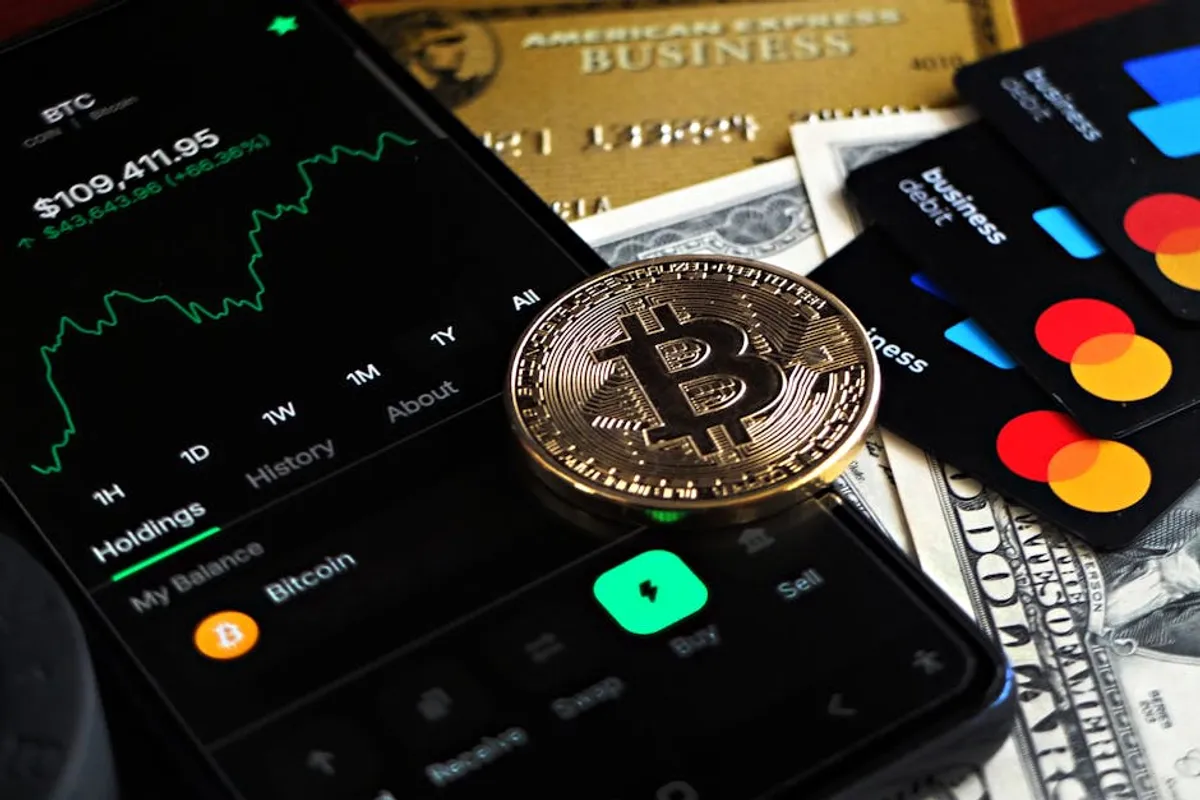
Bitcoin’s price volatility demands continuous attention from anyone considering exposure to the asset, whether as a short-term trade or a long-term investment. Understanding the forces that drive its daily fluctuations, shape its future trajectory, and introduce risk is critical for informed decision-making. This analysis provides a framework for interpreting Bitcoin’s current market standing, its potential future, the inherent risks, and the key signals that can guide market participants. This framework is similar to cryptocurrency price analysis used for other digital assets.
Current Bitcoin Price Dynamics
Bitcoin's value is a moving target, influenced by a complex interplay of supply, demand, macroeconomic factors, and market sentiment. Daily price movements often reflect immediate reactions to news, trading volume shifts, and the broader financial climate.
Recent Price Movements and Key Levels
Analyzing Bitcoin’s recent performance involves observing its 24-hour high and low, daily trading volume, and its position relative to established support and resistance levels. A high trading volume accompanying significant price movement suggests strong conviction in that direction, while low volume can indicate indecision or a lack of liquidity. Support levels represent price points where buying interest has historically been strong enough to prevent further declines, while resistance levels mark points where selling pressure has typically halted upward momentum. Breaching these levels, especially on high volume, often signals a continuation of the new trend. For instance, a sustained break above a major resistance level could indicate a bullish shift, whereas a fall below a key support level might signal further downside.
Factors Influencing Short-Term Volatility
Short-term price swings in Bitcoin are frequently driven by immediate catalysts. Macroeconomic data, such as inflation reports, interest rate decisions by central banks, or shifts in global liquidity, can prompt investors to reallocate capital, impacting digital assets. Regulatory announcements, whether positive (e.g., approval of new investment products) or negative (e.g., restrictions on trading or mining), often trigger sharp reactions. Furthermore, significant institutional purchases or sales, public statements from influential figures, or even large liquidations in the derivatives market can create rapid price changes. These factors contribute to Bitcoin's reputation as a highly volatile asset, requiring a dynamic approach to analysis.
Bitcoin's Outlook: Short-Term and Long-Term Projections
Forecasting Bitcoin’s trajectory involves evaluating both technical indicators that suggest immediate trends and fundamental drivers that underpin its long-term value proposition.
Technical Analysis Signals
Technical analysis offers insights into potential short-term price movements by studying historical price data and volume. Common indicators include moving averages, which smooth out price data to identify trend direction; the Relative Strength Index (RSI), which measures the speed and change of price movements to identify overbought or oversold conditions; and Bollinger Bands, which indicate volatility and potential price reversals. For example, when Bitcoin’s price consistently trades above its 200-day moving average, it often suggests a long-term bullish trend. Conversely, an RSI reading above 70 might signal that the asset is overbought and due for a correction, while a reading below 30 could indicate an oversold condition and potential for a rebound. These signals are not guarantees but provide probabilities for short-term trading strategies.
Fundamental Drivers for Long-Term Growth
Bitcoin's long-term outlook is shaped by several foundational elements. The quadrennial halving events, which reduce the rate at which new Bitcoin is created, introduce scarcity and historically precede significant price appreciation. Increasing institutional adoption, evidenced by the launch of spot exchange-traded funds (ETFs) and corporations adding Bitcoin to their balance sheets, provides greater liquidity and mainstream validation. Ongoing technological developments, such as advancements in the Lightning Network for faster and cheaper transactions, enhance Bitcoin's utility. Moreover, global economic uncertainty, including currency debasement and geopolitical instability, often drives demand for Bitcoin as a perceived safe-haven asset or store of value, reinforcing its long-term appeal as an alternative to traditional financial systems.
Identifying and Mitigating Bitcoin Investment Risks
While Bitcoin offers significant upside potential, it carries distinct risks that require careful consideration and strategic management.
Volatility and Market Manipulation
Bitcoin's price can experience dramatic swings, often exceeding 10-20% in a single day, due to its relatively smaller market capitalization compared to traditional assets and the concentration of holdings among a few large entities. This volatility presents both opportunity and risk, as rapid gains can quickly turn into losses. The potential for market manipulation, where large players (whales) can influence prices through coordinated buying or selling, also exists, making it challenging for individual investors to predict short-term movements.
Pro Tip: Implement a robust risk management strategy. This includes setting clear stop-loss orders to limit potential losses, diversifying your portfolio beyond a single asset, and only investing capital you are prepared to lose. Avoid making emotionally driven decisions during periods of extreme market volatility.
Regulatory Uncertainty and Geopolitical Events
The regulatory landscape for cryptocurrencies remains fragmented and evolving globally. Government actions, such as outright bans, stringent taxation, or new compliance requirements, can significantly impact Bitcoin's perceived legitimacy and accessibility, leading to price declines. Geopolitical events, including international conflicts, trade wars, or shifts in global alliances, can also influence investor sentiment towards decentralized assets, either by increasing demand for perceived safe havens or by prompting a flight to traditional assets.
Security Concerns and Platform Vulnerabilities
Storing and trading Bitcoin involves security risks. Centralized cryptocurrency exchanges, while convenient, are susceptible to hacking attempts, technical glitches, or operational failures that can result in loss of funds. Individual users are also vulnerable to phishing scams, malware, and compromised private keys if proper security practices (e.g., using hardware wallets, strong passwords, two-factor authentication) are not rigorously followed. The immutability of blockchain transactions means that once Bitcoin is sent to an incorrect address or stolen, recovery is often impossible.
Interpreting Key Market Signals
Beyond price charts, various market signals provide deeper insights into Bitcoin’s health and future direction, helping investors make more informed decisions.
On-Chain Metrics and Their Implications
On-chain metrics, derived directly from the Bitcoin blockchain, offer a transparent view of network activity and investor behavior.
- Active Addresses: An increasing number of active addresses can signal growing network adoption and organic demand.
- Transaction Volume: Higher transaction volume, especially when sustained, indicates strong usage and liquidity.
- Miner Behavior: Changes in miner selling patterns or hash rate can reflect their sentiment about profitability and future price expectations.
- Exchange Inflows/Outflows: Large inflows to exchanges often suggest an intent to sell, while outflows indicate accumulation and a potential reduction in selling pressure.
These data points collectively paint a picture of the underlying demand and supply dynamics that influence Bitcoin's price beyond speculative trading.
Derivatives Market Activity
The derivatives market, encompassing futures and options, provides a forward-looking perspective on investor sentiment. High open interest in futures contracts, particularly when coupled with a positive funding rate (meaning long positions are paying short positions), can indicate bullish sentiment. Conversely, a negative funding rate suggests bearish sentiment. Analyzing options contracts, specifically the put/call ratio, can reveal whether traders are hedging against price drops (more puts) or betting on price increases (more calls). These signals help gauge the market's collective expectations for Bitcoin’s future price direction.
Global Economic Indicators
Bitcoin’s price is increasingly influenced by global macroeconomic trends, despite its decentralized nature. Movements in the US Dollar Index (DXY), which measures the dollar's strength against a basket of major currencies, often show an inverse correlation with Bitcoin; a weakening dollar can make Bitcoin more attractive as a hedge. Stock market performance, particularly in the tech sector, can also correlate, as institutional investors may treat Bitcoin as a high-growth, risk-on asset. Monitoring inflation rates, central bank policies, and bond yields provides context for how traditional finance views and reacts to alternative assets like Bitcoin.
Strategic Considerations for Bitcoin Participants
Engaging with the Bitcoin market requires a strategic approach that acknowledges its unique characteristics and integrates continuous learning. A long-term perspective often helps mitigate the impact of short-term volatility, allowing investors to benefit from Bitcoin's fundamental growth drivers. Diversification across different asset classes, not just within cryptocurrencies, can further reduce overall portfolio risk. Staying informed about technological advancements, regulatory changes, and global economic shifts is crucial for adapting strategies and capitalizing on emerging opportunities. The Bitcoin market is dynamic, and successful participation hinges on informed decision-making and disciplined execution.
Frequently Asked Questions
What causes Bitcoin's price to change daily?
Bitcoin's daily price changes are primarily driven by supply and demand dynamics, influenced by factors like macroeconomic news, regulatory developments, institutional investment flows, and shifts in market sentiment among traders.
Is Bitcoin a good long-term investment?
Many view Bitcoin as a strong long-term investment due to its limited supply, increasing institutional adoption, and potential as a hedge against inflation. However, its significant volatility and regulatory uncertainties mean it carries substantial risk.
What are the biggest risks when investing in Bitcoin?
Key risks include extreme price volatility, potential for market manipulation, evolving regulatory landscapes that could impact its value, and security vulnerabilities associated with exchanges and personal wallet management.
How can I stay informed about Bitcoin market signals?
To stay informed, monitor reputable cryptocurrency news sources, analyze on-chain data for network activity, track derivatives market metrics like funding rates and open interest, and follow global macroeconomic indicators that influence investor sentiment.